

AKIRA KUROSAWA: MASTERCLASS IN FILM DIRECTION
Akira Kurosawa is one of the most influential directors in film history. His mastery of mise-en-scène, movement within the frame, and the relationship between screenplay and direction has left an indelible mark on generations of filmmakers worldwide.
In this masterclass, we analyze his cinema from a practical perspective: how he constructs his scenes, directs his actors, and utilizes space and rhythm to generate both emotion and narrative clarity.
This is not just about admiring his work; it is about learning to think like Kurosawa and applying his timeless principles to contemporary filmmaking.
The Cinematic Style of Akira Kurosawa
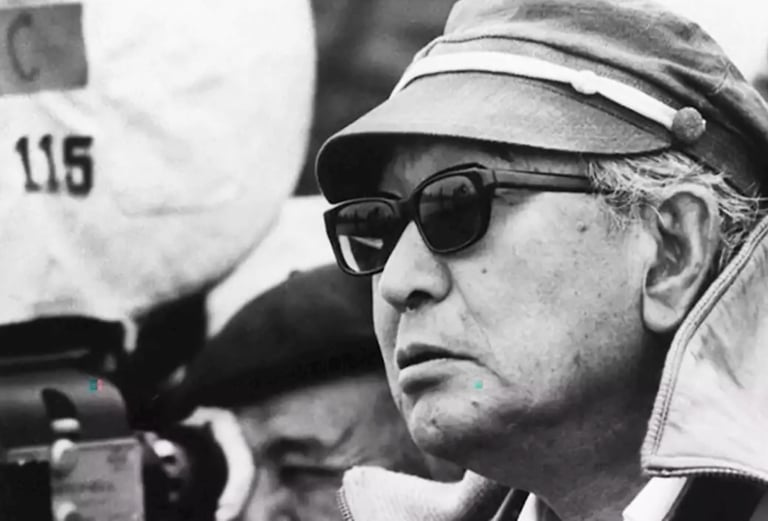
Kurosawa’s cinema is characterized by precise mise-en-scène, clear visual storytelling, and a profound understanding of human behavior. His decisions are never aesthetic by chance: every camera movement, every cut, and every action within the frame serves a specific narrative intent.
In this masterclass, we deconstruct his style to understand how to transform complex ideas into clear, emotionally powerful images.
Film archive: Akira Kurosawa and the screenplay

Akira Kurosawa: Why the Script is a Director’s Most Powerful Tool
When we think of cinema, many aspiring filmmakers think first of the camera. The framing. The lighting. The movement. But Akira Kurosawa thought exactly the opposite.
For him, cinema didn't begin on set. It began on a blank page. Kurosawa said it with absolute clarity:
"To be a director, you must first write screenplays. Only through writing do you understand the structure of cinema."
This wasn't just an inspiring quote; it was a methodology. Kurosawa didn’t view the script as a mere formality before shooting. He understood it as an architectural blueprint. Because if the design is flawed, no matter how meticulous the cinematography is, the building will collapse.
The Script as Narrative Economy
Writing forces you to make decisions. Every scene must justify its existence. Every action must push the story forward. Kurosawa believed that if you were unable to express an emotion with clear words, you wouldn't be able to do it with a camera either.
The script teaches any director something fundamental: what is essential… and what is pure noise. Before thinking about how to film a scene, you learn why it must exist.
Rhythm isn’t "Fixed" in Post
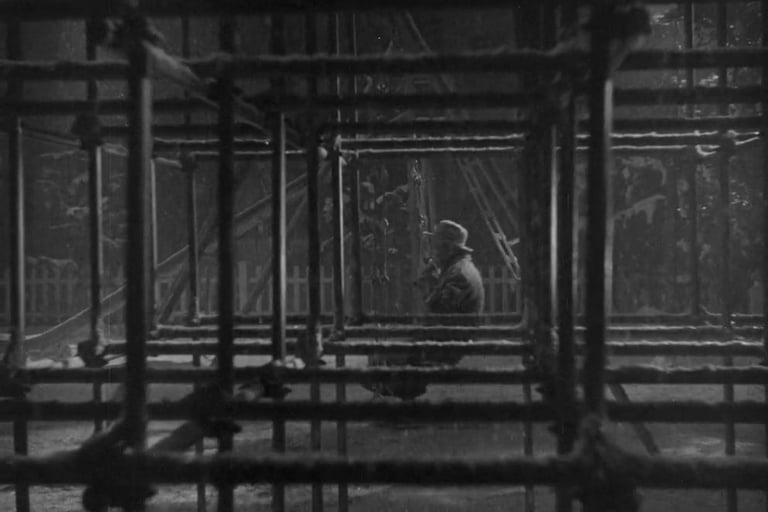
There is a widespread idea in contemporary cinema: "Rhythm is found in the editing room." Kurosawa disagreed. For him, rhythm is born in the script. In the duration of the scenes. In the silences. In knowing exactly when to enter and when to exit an action. When you write, you begin to understand tension as a narrative tool, not a technical trick. That knowledge travels with you to the set. It guides your mise-en-scène. It guides your camera decisions. And it even guides the direction of actors.
A Simple (Yet Powerful) Exercise
If you want to direct like a professional, stop chasing the "cinematic look" through filters, lenses, or plugins. Try this:
Write one scene in three different one-page versions:
Dialogue only.
Visual action only.
A combination of both.
This exercise teaches you more about mise-en-scène, pacing, and cinematic storytelling than any ten-minute camera tutorial ever could. It forces you to think the way Kurosawa did: from the story to the image, and never the other way around.
Conclusion
Directing is not about moving a camera. It is about protecting a vision. And that vision is born in the script. Kurosawa was clear: a director who does not write is like a captain without a compass.
If you want to learn how to structure stories like the great masters of cinema, the first block of our course at Take One Academy is dedicated exclusively to visual storytelling from the screenplay up. Because before you can film memorable images, you must know exactly what story you are telling.
This lesson is part of the pedagogical approach at Take One Academy, where we analyze cinema through the practice and philosophy of the world’s greatest directors.
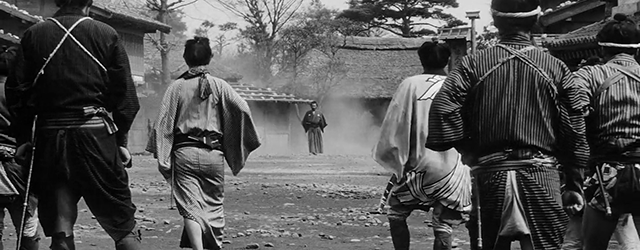
What will you learn in the Kurosawa Masterclass?
How Kurosawa constructs action within the frame: Mastering spatial dynamics.
Movement and composition as narrative: Using the lens to tell the story.
Directing actors and body language: The physical craft of performance.
The synergy between script, camera, and editing: A holistic approach to filmmaking.
Achieving visual clarity: Even in the most complex scenes.
Explore More Academy Areas
Who is this masterclass for?
Film and Audiovisual Directors: Professionals looking to refine their craft.
Film Students: Supplementing academic theory with practical mastery.
Screenwriters: Those who want to understand the directorial process.
Self-taught Filmmakers: Building a professional foundation.
Cinephiles: Film lovers who want to go beyond the surface level.