
FILM HISTORY: THE VISUAL JOURNEY THAT TRANSFORMED THE WORLD
Cinema is more than just moving images: it is the evolution of how we perceive, feel, and tell stories. At Take One Academy, we believe that to master today’s camera, we must first decode the visual languages of yesterday. Our Film History section is an interactive journey through the decades and the visionaries who invented the cinematic codes we often take for granted.
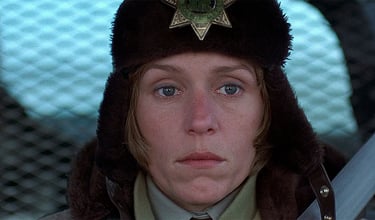
The Evolution of Cinematic Language: From Magic to Reality
From the pioneers who defined the Silent Film Era to the visionaries who redefined modern storytelling, each week we explore how generations of directors reinvented what cinema could be.
The Pillars of Visual Narrative
You will learn to recognize the stylistic hallmarks that defined entire eras:
The Geometry of Suspense: The mastery of editing and "Point of View" (POV) by Alfred Hitchcock.
The Poetry of Light: Existentialist visual storytelling in the works of Ingmar Bergman.
Breaking the Fourth Wall: The rebellious energy of the French New Wave (Godard, Truffaut).
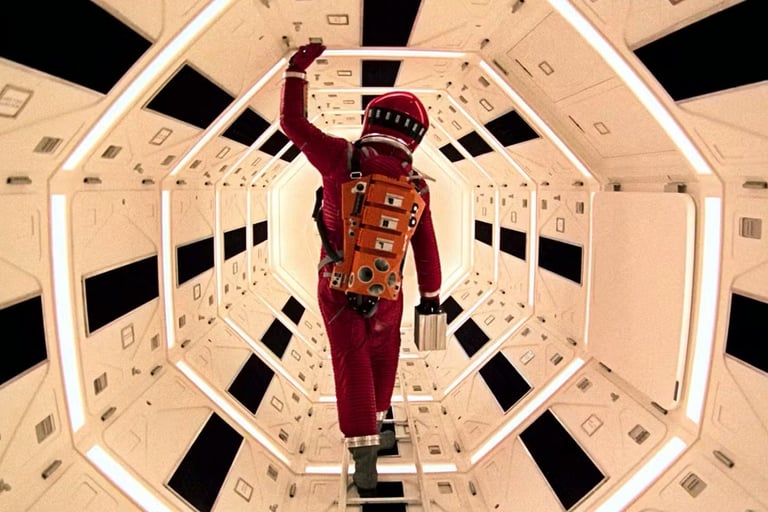
Technical Precision: The symmetry and absolute directorial control of Stanley Kubrick.
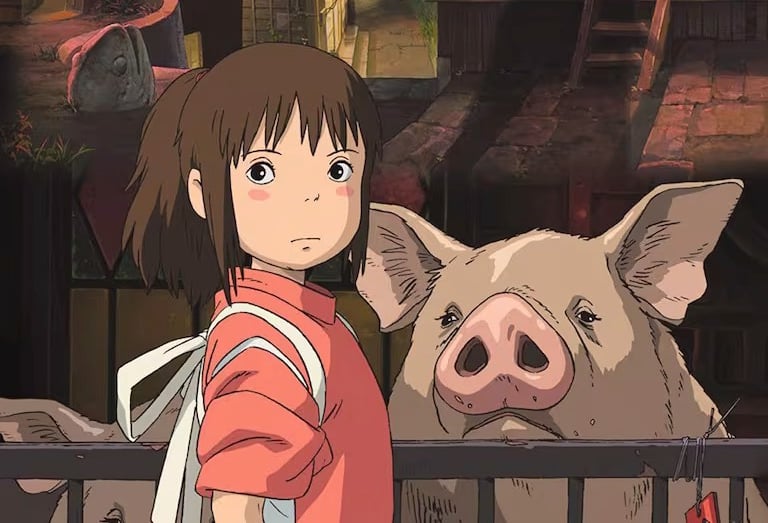
Director Spotlights: The Geniuses Who Changed the Rules
Every session in our program breaks down the work of a key auteur. We start with the foundation of it all:
Charlie Chaplin: The Architect of Emotion (Silent Era)
Why was he the most important filmmaker of his time?
Revolutionizing Silent Cinema: He elevated slapstick comedy to an art form, making silence scream with emotion.
Social Commentary: Through Modern Times (1936) or The Great Dictator (1940), he reflected on industrialization and the rise of fascism.
Total Creative Control: A pioneer of the "Auteur" theory—he wrote, directed, acted, and even composed the scores for his films.
Essential Films for Film Students:
The Kid (1921): The perfect balance between comedy and tragedy.
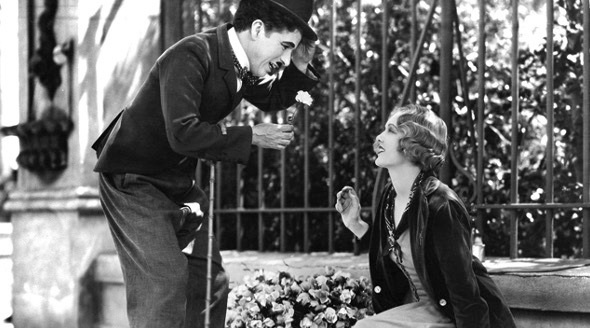
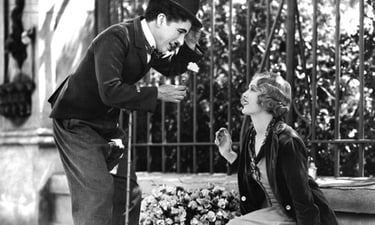
City Lights (1931): A masterclass in visual storytelling without dialogue.
Key Eras: From Golden Age Hollywood to the Contemporary Era
To provide a deeper look into film history, we explore the milestones that every cinephile and filmmaker should know:
Orson Welles and the Birth of Modern Cinema
With Citizen Kane (1941), the rules of filmmaking changed forever. We analyze the revolutionary use of deep focus, the inclusion of visible ceilings in set design, and the non-linear narrative that influenced everything from Film Noir to the works of Christopher Nolan.
Italian Neorealism: Truth on the Streets
Discover how directors like Roberto Rossellini and Vittorio De Sica (with Bicycle Thieves) took cameras out of the studios and into the real world. By filming everyday life, they laid the groundwork for today’s independent cinema.
New Hollywood and the Blockbuster Aesthetic
Explore the transition from the gritty, choreographed violence of Francis Ford Coppola in The Godfather, to the reinvention of visual spectacle led by Steven Spielberg and George Lucas.
Why Study Film History at Take One Academy?
More than just a chronological timeline, this is a technical masterclass. You will understand how social and technological shifts—from the advent of color and sound to the rise of CGI—have forged the way we consume content today.
Technical Analysis: We don’t just watch the film; we dissect its mise-en-scène, composition, and visual language.
Contemporary Connection: We reveal how the past remains alive in the frames of today’s directors, such as Jordan Peele, Damien Chazelle, and Denis Villeneuve.
"To know where cinema is going, you must first understand where it came from."
Don't just watch films. Start creating them
Analysis is only half the journey. The other half is knowing how to apply these techniques on set with your own crew. In our Film Directing Course, we provide the complete roadmap to transform your creative vision into professional results.
Frequently Asked Questions about Film History
Why is studying Film History essential for modern filmmakers?
Understanding Film History is key to avoiding "reinventing the wheel." Mastering the evolution of cinematic language allows modern directors and editors to utilize lighting, montage, and visual storytelling techniques perfected over decades by masters like Hitchcock or Kubrick. To know the future of the industry, you must master its foundations.
Who are the most influential film directors in history?
While the list is extensive, names like Charlie Chaplin (Silent Era), Alfred Hitchcock (Suspense and Editing), Stanley Kubrick (Technical Perfection), and Jean-Luc Godard (French New Wave) are essential pillars. At Take One Academy, we analyze how their technical innovations still influence contemporary cinema and modern streaming platforms.
What was the impact of Italian Neorealism?
Italian Neorealism was a movement that took cinema out of expensive studios and onto the streets. Directors like Vittorio De Sica proved that powerful stories could be told using non-professional actors and natural light. This movement is the foundation for much of today’s independent filmmaking and social realism.
What was the first movie ever made?
Officially, cinema history began with the Lumière Brothers in 1895 with Workers Leaving the Lumière Factory. However, it was Georges Méliès who introduced fiction and special effects, transforming a scientific invention into the "Seventh Art" we know today.
How did the French New Wave influence modern cinema?
The French New Wave (Nouvelle Vague) broke all the established rules of Classical Hollywood. It introduced the jump cut, handheld camera work, and a narrative freedom that directly influenced modern directors like Quentin Tarantino, Wes Anderson, and Martin Scorsese.
Which films are essential for understanding visual narrative?
For any film student, these titles are mandatory viewing:
Citizen Kane (Orson Welles): For its revolutionary use of Deep Focus.
Psycho (Alfred Hitchcock): For its groundbreaking editing and suspense.
2001: A Space Odyssey (Stanley Kubrick): For its pure visual storytelling.
Modern Times (Charlie Chaplin): For its mastery of narrative without dialogue.