

MARTIN SCORSESE: FILM DIRECTING MASTERCLASS
Martin Scorsese is not just a director; he is the guardian of cinema’s soul. His ability to fuse visceral street energy with an academic formal technique has defined the cinematic language of the last 50 years. His cinema is movement, it is music, and above all, it is a relentless exploration of the human condition.
In this masterclass, we won’t just review his greatest hits. We are going to dissect his practical methodology: how he uses editing as a rhythmic instrument, how he moves the camera to reveal character psychology, and how he transforms violence and faith into pure visual spectacle.
This isn't about imitating his long takes; it’s about learning to infuse every frame with the same urgency and truth that Scorsese prints onto his work.
The Cinematic Style of Martin Scorsese
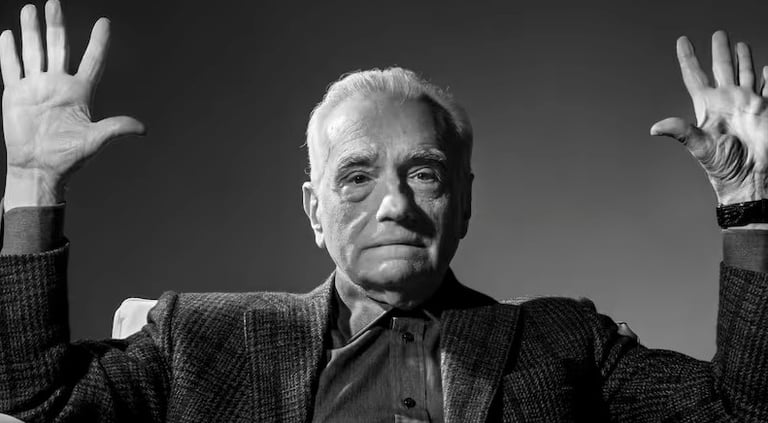
Scorsese’s cinema is a living organism. It is characterized by a frenetic pace, a camera that is never passive, and a use of sound that dictates the spectator's emotion. His decisions are never merely stylistic; they are an emotional response to the story. Every zoom, every freeze frame, and every technocrane movement seeks to submerge the viewer into the—often altered—mental state of his protagonists.
In this masterclass, we break down his style to understand how to turn nervous energy into a coherent and cinematically powerful narrative.
Film Archive: Martin Scorsese and Editing

Martin Scorsese: Why Cinema is Written for the Third Time in the Edit
For many directors, the shoot is the climax. For Martin Scorsese, the shoot is just the gathering of ingredients. True cinema—the kind that hits you in the chest—happens in the editing room alongside his lifelong collaborator, Thelma Schoonmaker.
Scorsese famously says that "a movie is written three times: in the script, in the shoot, and in the edit." But it is in this final stage where he finds the soul of the story.
Editing as a Musical Instrument
Scorsese doesn’t cut for continuity; he cuts for rhythm and emotion. If an axis jump or a jump cut better communicates a character's anxiety (as seen in Goodfellas or Casino), he will break every rule of traditional grammar. For him, editing is like jazz: it’s about knowing when to pick up the tempo and when to let a note—a shot—breathe until it feels uncomfortable. Editing teaches a director something vital: cinema is not literature; it is time.
The Moving Camera: The Subjective Point of View
When we see a Scorsese tracking shot, like the famous Copacabana entrance, it isn’t a gratuitous technical flex. It’s an invitation. The camera moves because the character feels like they own the world. Scorsese teaches us that camera movement must be an extension of the character's ego. If the camera runs, it’s because the character is fleeing or chasing something. If the camera freezes, it’s because time has stopped for the protagonist.
Truth in Performance
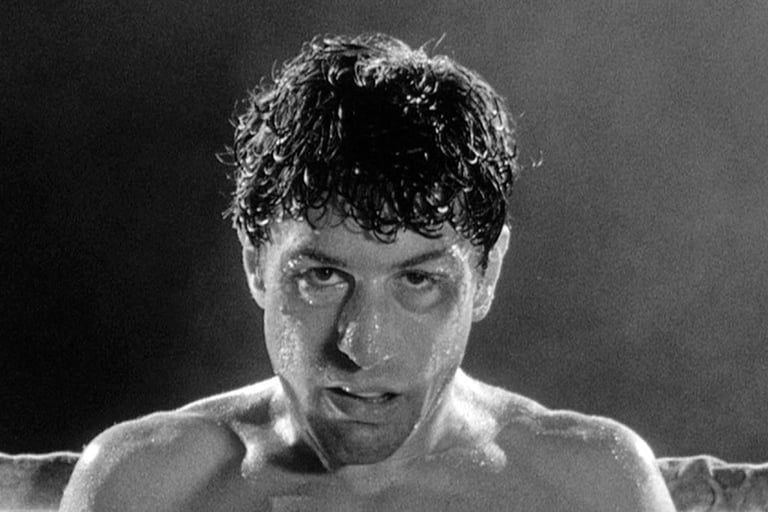
Scorsese is renowned for his work with actors like De Niro and DiCaprio. His secret isn't absolute control, but monitored freedom. He allows improvisation because he searches for the "sacred accident"—that moment of truth that wasn't on the page. Then, in the edit, he selects that fragment of reality to give it narrative meaning.
A Simple (Yet Powerful) Exercise
If you want to direct like Scorsese, stop worrying about your camera resolution and start worrying about the internal rhythm of your scene.
The "Rhythmic Cut" Exercise: Take a daily conversation scene (two people having coffee). Record it in three ways:
Using long, static shots (observational style).
Using fast cuts that follow the rhythm of the words (frenetic style).
Using music as a guide: edit the scene following the beats of a rock or jazz song, letting the music dictate when to cut, not the dialogue.
This exercise will teach you that the meaning of a scene can change radically just through timing. You will learn that directing doesn’t end when you yell "Cut!", but when you decide how long that shot stays on screen.
Conclusion
For Scorsese, directing is an act of faith. It is the struggle to capture the spark of life amidst the chaos of the set. A director who doesn't understand rhythm is a musician who can't keep the beat.
If you want to master the pulse of your stories and use the camera as a psychological exploration tool, Take One Academy dedicates this block to editing grammar and dynamic narrative.
Because before you move the camera, you must know what emotion you are chasing.
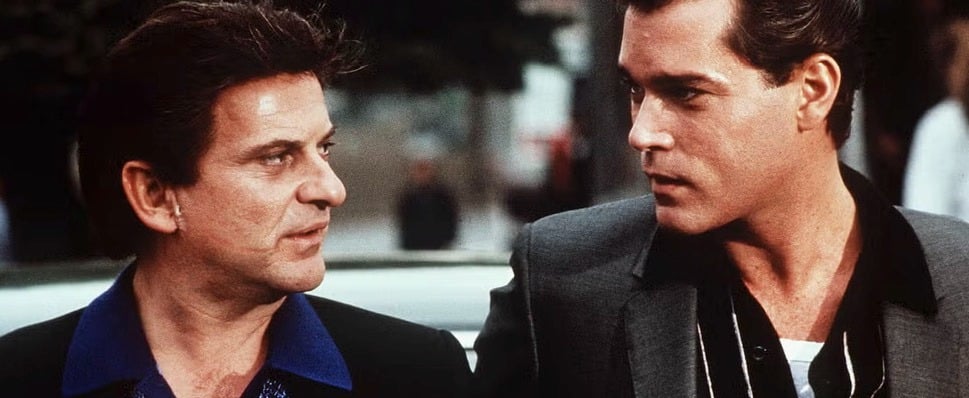
What will you learn in the Scorsese Masterclass?
Rhythmic Narrative: How editing dictates emotion.
Subjective Movement: Using dollies, tracking shots, and zooms with intent.
Sound Design and Music: The soundtrack as the engine of the image.
Directing Actors: How to foster improvisation and capture truth.
Guilt and Redemption: Visual themes and symbolism.
Explore More Academy Areas
Who is this masterclass for?
Film and Audiovisual Directors: Professionals looking to refine their craft.
Film Students: Supplementing academic theory with practical mastery.
Screenwriters: Those who want to understand the directorial process.
Self-taught Filmmakers: Building a professional foundation.
Cinephiles: Film lovers who want to go beyond the surface level.